
Home improvement projects can be exciting, but they can also be complex and time-consuming. Whether you are remodeling your kitchen, building an addition, or repairing major structural issues, having the right professional can make all the difference. This is where a Modern European Custom Cabinetry Arizona comes in. A general contractor manages construction projects, coordinates subcontractors, ensures compliance with building codes, and keeps your project on schedule and within budget.
While some minor home projects can be handled as DIY tasks, many situations require the expertise of a professional. Knowing when to hire a general contractor can save you time, money, and unnecessary stress.
10 important times when hiring a general contractor is the smartest decision
1. When You Are Planning a Major Home Renovation
Major renovations often involve multiple trades such as electricians, plumbers, carpenters, and painters. Managing all these professionals on your own can quickly become overwhelming.
A general contractor acts as the project manager, coordinating every aspect of the renovation. They create schedules, hire subcontractors, order materials, and ensure everything runs smoothly.
For example, if you are renovating multiple rooms or doing a whole-house remodel, hiring a contractor ensures that:
- Work is completed in the correct order
- Materials are delivered on time
- Permits and inspections are handled properly
Without professional oversight, delays and costly mistakes can easily occur.
2. When Building a Home Addition
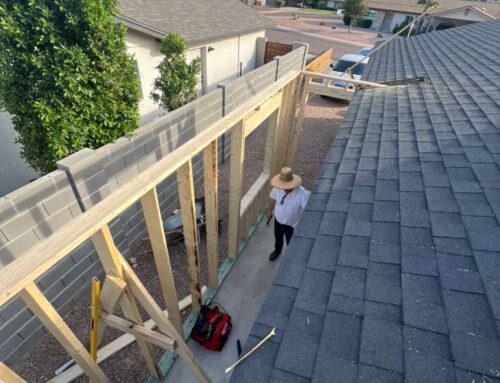
Adding new space to your home—such as a bedroom, garage, or sunroom—is a significant construction project. It requires structural planning, foundation work, framing, electrical installation, and finishing work.
A general contractor ensures the new addition blends seamlessly with your existing home. They will:
- Work with architects or designers
- Coordinate construction teams
- Ensure structural safety and code compliance
Home additions must meet strict local building regulations. A contractor has the experience to handle these requirements efficiently.
3. When Structural Changes Are Involved
Any project that affects the structure of your home should involve a professional contractor.
Examples include:
- Removing load-bearing walls
- Modifying roof structures
- Changing floor layouts
- Reinforcing foundations
Structural work requires engineering knowledge and precise execution. Mistakes can lead to serious safety issues or costly repairs.
A qualified general contractor works with structural engineers and ensures the work is completed safely and according to building codes.
4. When Multiple Specialists Are Needed
Many home projects require more than one type of skilled professional. For example, a kitchen remodel may involve:
- Electricians
- Plumbers
- Cabinet installers
- Tile specialists
- Flooring experts
- Painters
Coordinating all these trades can be difficult for homeowners.
A general contractor manages all subcontractors and ensures that each professional performs their work at the right stage of the project. This prevents delays, scheduling conflicts, and miscommunication.
5. When Permits and Inspections Are Required
Many construction projects require building permits and inspections from local authorities. These regulations exist to ensure safety and compliance with local codes.
Projects that usually require permits include:
- Room additions
- Structural modifications
- Electrical upgrades
- Plumbing installations
- Major remodeling work
A general contractor understands the permit process and will handle paperwork, applications, and inspections on your behalf.
Hiring a contractor helps ensure your project remains compliant and avoids fines or legal issues.
6. When You Want to Stay on Budget
Budget overruns are one of the most common challenges in home improvement projects. Without proper planning, costs can quickly spiral out of control.
A general contractor helps manage your budget by:
- Providing accurate cost estimates
- Sourcing materials efficiently
- Preventing expensive mistakes
- Monitoring labor costs
Experienced contractors also have relationships with suppliers and subcontractors, which can sometimes reduce overall project costs.
By keeping your project organized and controlled, a contractor helps you stay within your financial limits.
7. When You Have a Strict Timeline
Some projects need to be completed within a specific timeframe. For example:
- Preparing a home for sale
- Renovating before moving in
- Completing a rental property upgrade
- Meeting seasonal construction deadlines
A general contractor creates a detailed schedule and ensures all work progresses according to plan.
They coordinate subcontractors, monitor progress, and quickly resolve issues that might cause delays. Without professional project management, timelines can easily extend far beyond expectations.
8. When Safety Is a Concern
Construction work often involves potentially dangerous tasks such as:
- Electrical wiring
- Heavy machinery
- Roofing work
- Structural demolition
- Working at heights
Professional contractors follow strict safety procedures and ensure all workers are properly trained and insured.
Hiring a general contractor reduces the risk of accidents and liability. They also ensure that your home remains safe during the construction process.
9. When You Lack Construction Experience
Many homeowners underestimate how complicated construction projects can be. Even seemingly simple renovations often involve unexpected challenges.
A general contractor brings valuable expertise, including:
- Technical construction knowledge
- Problem-solving skills
- Understanding of materials and techniques
- Experience managing complex projects
Their knowledge helps prevent mistakes that could cost time and money.
Instead of learning through trial and error, homeowners benefit from the contractor’s professional experience.
10. When You Want Peace of Mind
One of the biggest benefits of hiring a general contractor is peace of mind. Instead of managing every detail yourself, you can rely on a professional to handle the project from start to finish.
A contractor oversees:
- Project planning
- Scheduling and coordination
- Hiring subcontractors
- Quality control
- Budget management
- Permit compliance
This allows homeowners to focus on their daily lives while the project progresses smoothly.
Working with a trusted contractor ensures your renovation or construction project is completed professionally and efficiently.
Tips for Choosing the Right General Contractor
Hiring the right contractor is just as important as deciding to hire one. Here are some tips to help you make the best choice.
Check Licenses and Insurance
Always verify that the contractor is properly licensed and insured. This protects both you and the workers during the project.
Review Past Work
Look at previous projects and ask for references. Experienced contractors should be able to show examples of completed work.
Request Detailed Estimates
A reliable contractor provides clear and transparent estimates, including labor, materials, and timelines.
Communicate Clearly
Good communication is essential. Choose a contractor who listens to your ideas and explains the process clearly.
Sign a Written Contract
Always use a written contract that outlines project scope, costs, payment schedules, and timelines.
Final Thoughts
Home improvement and construction projects can transform your living space and increase your property value. However, they also involve complex planning, coordination, and technical expertise.
Hiring a general contractor is often the best decision when dealing with major renovations, structural changes, home additions, or projects involving multiple specialists. Contractors bring experience, organization, and professional oversight that help ensure your project runs smoothly.
By knowing the right time to hire a contractor, you can avoid costly mistakes, reduce stress, and achieve the results you want for your home.
Whether you’re remodeling a single room or building a large addition, working with an experienced general contractor can make your project more efficient, safer, and ultimately more successful.
FAQs
When should I hire a general contractor?
You should hire a general contractor for major renovations, structural work, home additions, or projects requiring multiple skilled trades.
Can I manage a renovation project myself?
Small projects may be manageable, but large or complex renovations are usually best handled by a professional contractor.
How do general contractors charge for their services?
Contractors may charge a fixed price, hourly rate, or a percentage of the total project cost depending on the project scope.
How can I find a reliable general contractor?
Look for licensed professionals, read reviews, check references, and request detailed project estimates before hiring.






Leave A Comment